Behind The Catwalk
The Founder Building a Global Platform for African Fashion, Culture and Trade
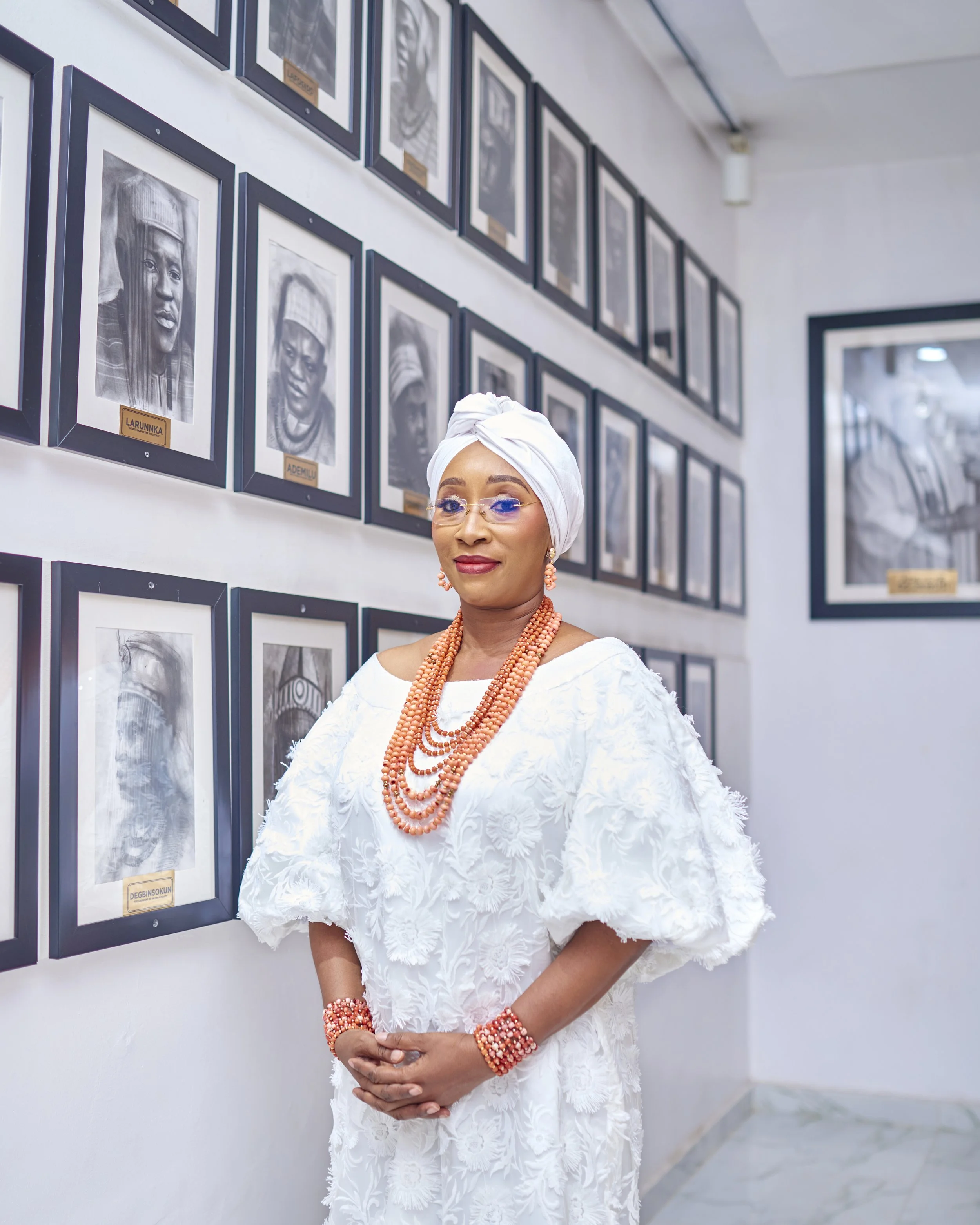
Africa Fashion Week London is often seen through the glamour of the runway: the designers, the models, the fabrics, the front row and the celebration of African creativity in one of the world’s most influential fashion capitals.
But behind the runway is a much bigger story.
It is the story of a founder who recognised almost two decades ago that African fashion needed more than visibility. It needed access, education, investment, market opportunities and a global platform where creativity could translate into sustainable businesses.
Founded in 2011 by Olori Ronke Ademiluyi-Ogunwusi, Africa Fashion Week London was created to increase the visibility and commercial sustainability of African and Black fashion brands through catwalk showcases, exhibitions, education, networking and international exposure.
What began as a fashion showcase has evolved into a creative economy platform, connecting designers, artisans, entrepreneurs, buyers, media, cultural institutions and audiences across Africa, the UK and the diaspora.
Alongside Africa Fashion Week London, Ronke has built and supported wider initiatives including Africa Fashion Week Nigeria, the Adire Oodua Textile Hub in Nigeria and Africa Fashion Week Brazil, creating a network that celebrates African fashion while strengthening pathways for designers to access new markets.
Her story is therefore much larger than fashion events. It is a story about building bridges.
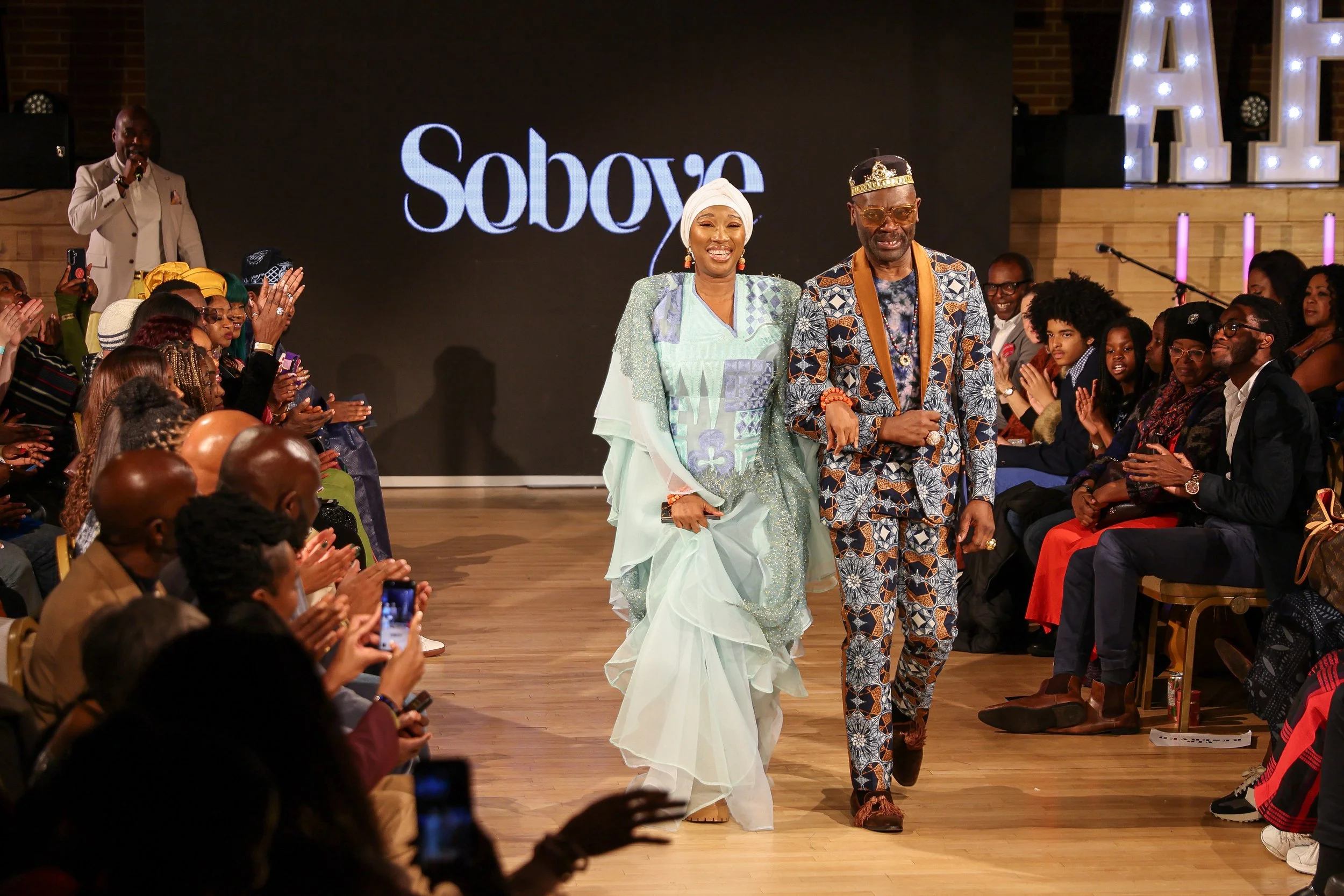
Fashion as Culture, Commerce and Opportunity
At the heart of Olori Ronke’s work is a belief in the economic and cultural power of Africa’s creative industries.
Africa is home to the world’s youngest population, and its creative sectors are increasingly shaping global conversations around culture, consumption and entrepreneurship. Fashion sits at the intersection of this opportunity - connecting heritage, manufacturing, retail, tourism, media and international trade.
As the UK and African nations continue to strengthen relationships across trade, investment and creative industries, platforms such as Africa Fashion Week London play an important role in creating connections between talent and opportunity.
AFWL has spent more than a decade creating a gateway between African designers and global audiences, helping emerging brands move beyond being celebrated for their creativity and towards being recognised as viable businesses with commercial potential.
The message is clear: African fashion is not simply a cultural export. It is an economic opportunity.
Changing the Global Fashion Narrative
Across Africa and the diaspora, a new generation of designers and consumers are redefining where fashion authority comes from.
They are shaping trends from Lagos, Accra, Nairobi, Johannesburg, São Paulo, London and beyond. They are using fashion to express identity, heritage, confidence and belonging, while building brands that speak to global audiences.
AFWL sits at the centre of this shift.
The platform operates across multiple layers: it is a runway for designers seeking international visibility; an exhibition space for fashion, beauty, accessories and lifestyle brands; an education platform offering access to skills development and industry knowledge; and a cultural platform preserving African textile traditions while presenting them through a contemporary global lens.
Because African fashion’s future cannot depend on aesthetics alone - it requires skills, production systems, intellectual property protection, cultural ownership, business development and routes to market.
“From the beginning, Africa Fashion Week London was created with a purpose that went beyond our catwalk shows. We wanted to build a platform where African designers could be seen, supported and connected to real opportunities.
“Fashion is one of Africa’s greatest storytelling tools, but it is also a powerful economic driver. Behind every collection is a network of designers, artisans, textile producers, manufacturers and entrepreneurs whose creativity has the potential to contribute to global markets.
“As the UK and Africa continue to strengthen their partnerships across trade, investment and the creative industries, our role is to help create the bridges that allow African talent to access new audiences, new markets and new opportunities.
“AFWL is not simply about showcasing what Africa creates. It is about building an ecosystem where creativity can become sustainable businesses, where heritage can inspire innovation, and where African fashion can take its rightful place as a global force.”
— Olori Ronke Ademiluyi-Ogunwusi, Founder, Africa Fashion Week London
Building the Infrastructure Behind the Creativity
Many fashion platforms create memorable moments. Fewer build the structures that allow creativity to survive. Through partnerships and programmes such as the British Council’s Creative DNA initiative, AFWL has helped connect designers with international networks, business development opportunities and creative industry expertise.
The 2026 programme continues this mission with designer showcases, exhibitions and the launch of Shop The Runway - a retail-focused concept designed to bring designers closer to buyers, stylists, media and consumers.
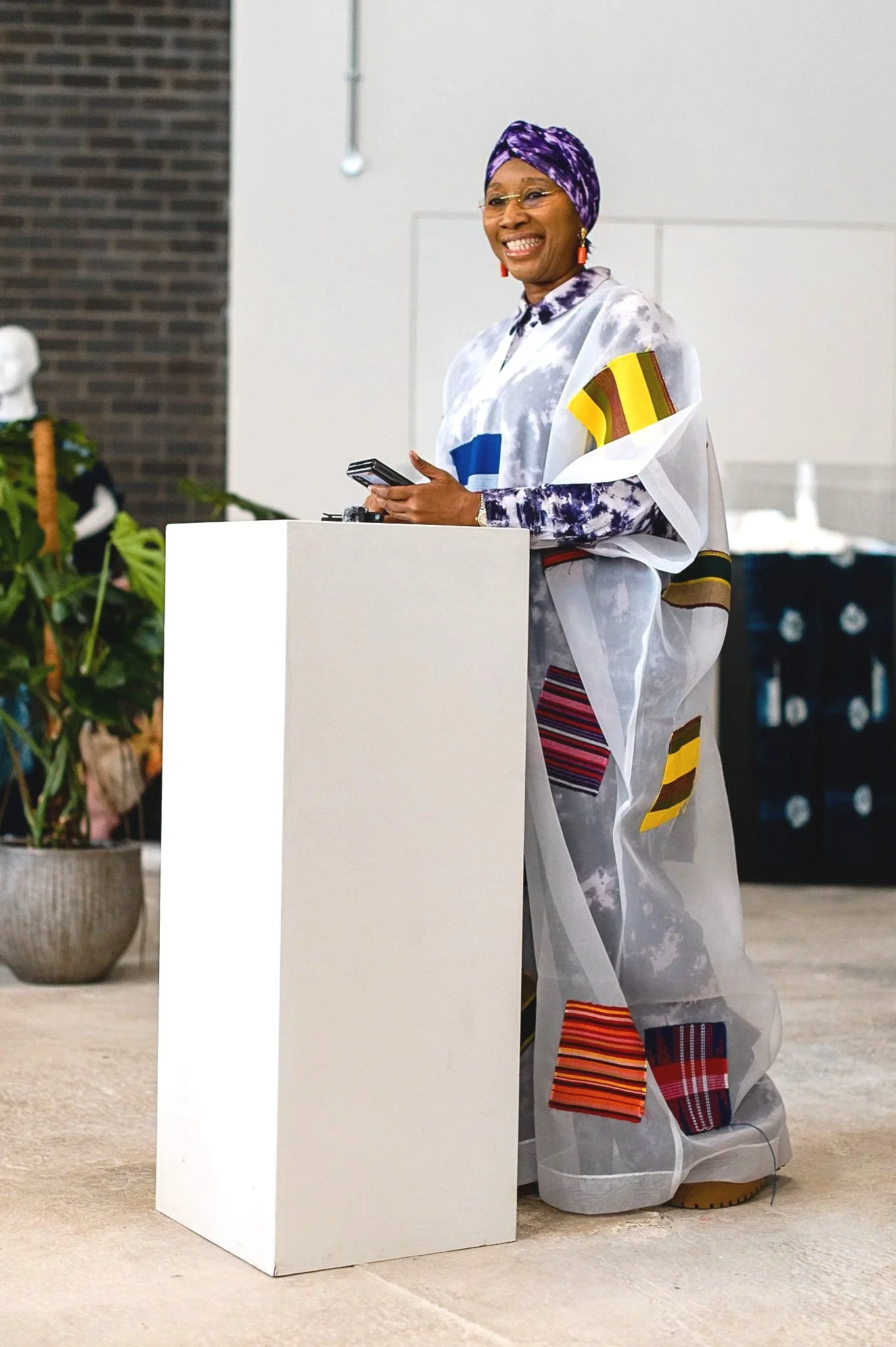
Through the Adire Oodua Textile Hub, Olori Ronke’s work also highlights the importance of preserving indigenous craftsmanship while creating sustainable economic opportunities around traditional textile skills. This connection between heritage and commerce is central to AFWL’s vision.
The future of African fashion must honour where it comes from while creating pathways for where it can go.
“Africa’s creative industries are playing an increasingly important role in shaping global culture, innovation and economic opportunity. The creative economy has the power to connect communities, create sustainable livelihoods and build new pathways for collaboration between the UK and Africa.
“Platforms that bring together designers, entrepreneurs and creative businesses across borders are essential in creating opportunities for knowledge exchange, skills development and international visibility.
“Africa Fashion Week London demonstrates the impact that creative platforms can have in supporting emerging talent, celebrating cultural heritage and strengthening connections between African creatives and global audiences.”
— Rasheeda Nalumoso, Regional Lead, Creative Economy, British Council
London: A Gateway for African Fashion
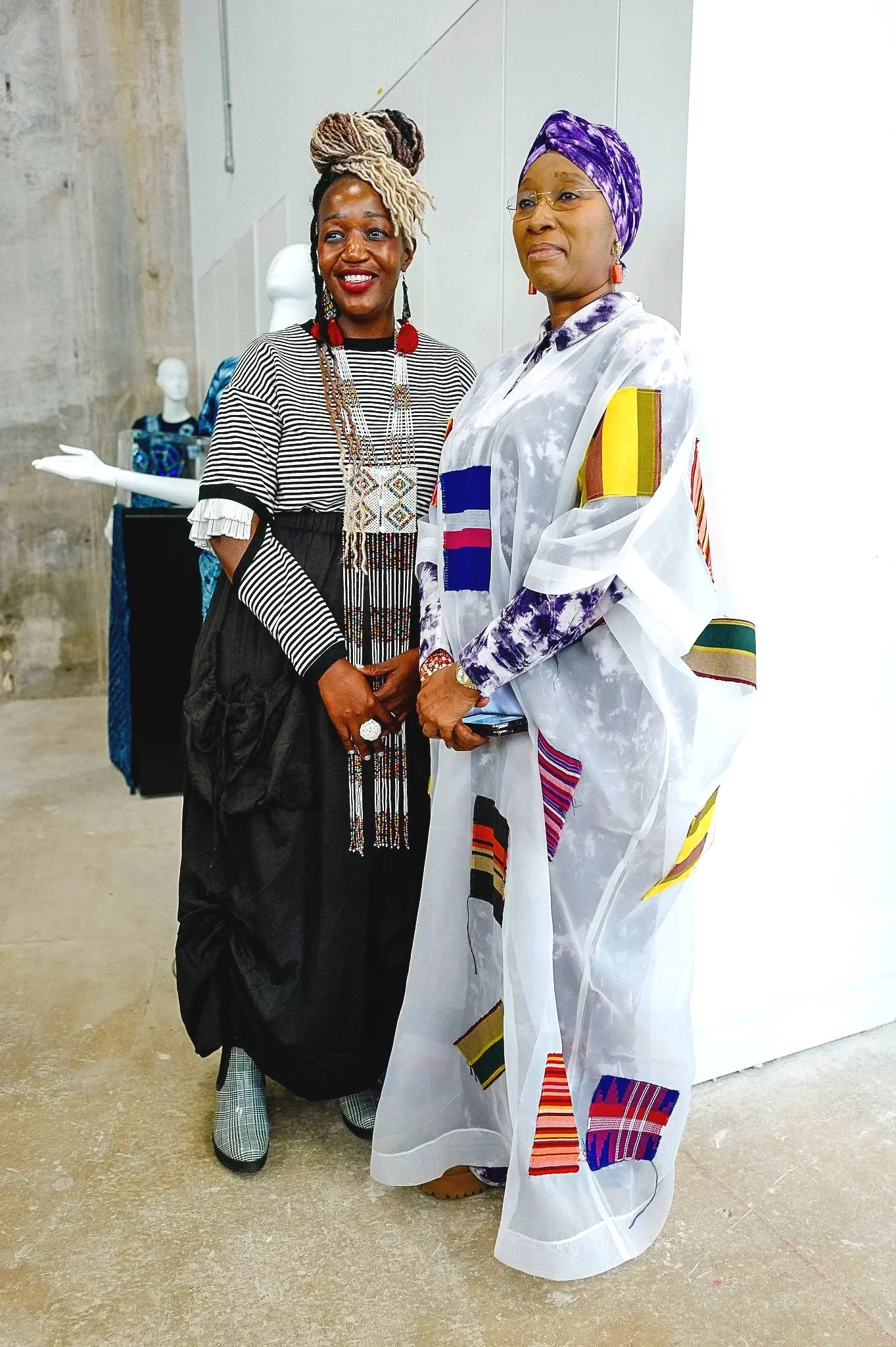
London’s position as a global creative capital makes it the perfect home for Africa Fashion Week London. With its diverse communities, international influence and strong connections across Africa and the diaspora, London provides a unique environment where creativity, culture and commerce meet.
The partnership between AFWL and new luxury African fashion destinations such as Tales House reflects this growing movement by creating physical spaces where continental African designers, brands and consumers can connect beyond the catwalk or an Instagram post.
A Legacy of Leadership
For women-in-business platforms, Olori Ronke’s journey represents more than entrepreneurship. It is a story of consistency, vision and ecosystem building. Over more than a decade, she has created platforms across continents, connected fashion with heritage, opened doors for designers and helped position African creativity within global conversations. Her leadership reflects a powerful belief: that Africa’s creative future will be shaped not only by talent, but by the systems built around that talent. She is building an institution that connects African fashion to education, heritage, business opportunity, market access and global influence.
Africa Fashion Week London is more than a celebration of style. It is a bridge between continents. A platform for creative entrepreneurship. A champion of African innovation. And a powerful example of how fashion can become a catalyst for UK–Africa collaboration.