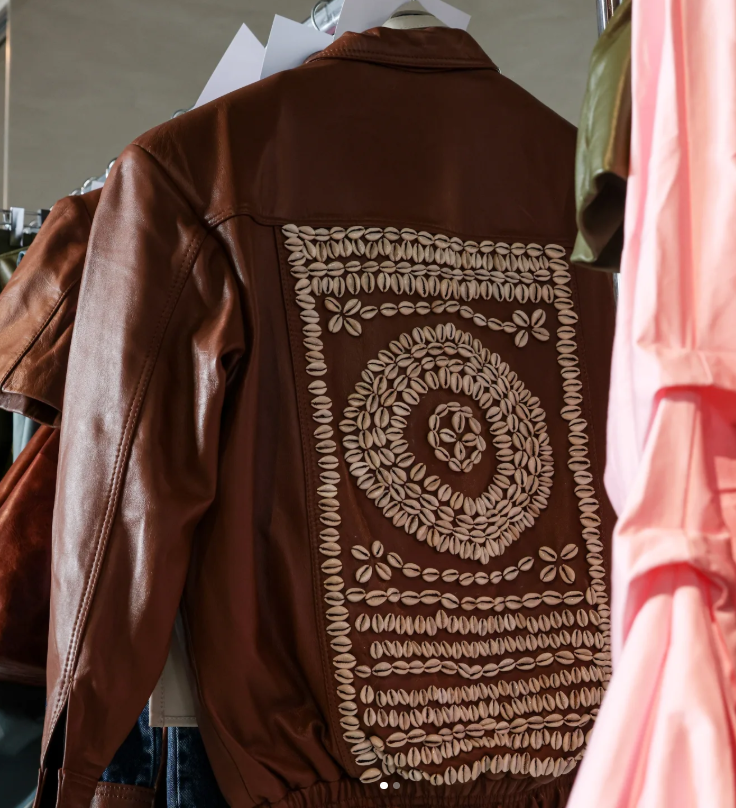
Mastewal Alemu
One of the designers supported by the British Council’s Creative DNA programme, Mastewal Alemu is a contemporary Ethiopian fashion brand founded in 2021 and based in Addis Ababa.
Over the past five years, the brand has established itself as a rising force in sustainable African luxury, specializing in high-end ready-to-wear womenswear that merges modern design with Ethiopian craftsmanship.
Rooted in sustainability, cultural identity, and conscious craftsmanship, Mastewal Alemu creates fashion with both meaning and long-term impact. The brand is committed to elevating Ethiopian and African resources by transforming locally sourced materials, traditional handwoven textiles, and responsible production practices into globally relevant luxury products.
At the heart of the brand’s identity is the use of eco-friendly Ethiopian handloom fabrics — meticulously handwoven 100% cotton textiles crafted on traditional looms by local artisan weavers. By working closely with artisans and skilled makers, the brand contributes to preserving traditional craftsmanship while supporting a more sustainable and inclusive fashion ecosystem across Africa.
Mastewal Alemu has gained significant international recognition, with features in over 30 global publications including Vogue Italia, Vogue, L'Officiel UK, Elle, Cosmopolitan, InStyle, and Fibre2Fashion. These recognitions position the brand as one of the emerging voices shaping the future of African fashion on the global stage.
The brand has consistently showcased its collections at Milan Fashion Week for the past three seasons and previously participated in Moscow Fashion Week SS2024. Expanding its focus on material innovation, Mastewal Alemu also participated in Lineapelle Designers Edition SS2026, where it launched its first leather line — marking a key milestone in the brand’s evolution.
Through its work, Mastewal Alemu continues to define a distinctive space at the intersection of sustainability, craftsmanship, and modern luxury, with a clear vision for global growth while remaining deeply rooted in Ethiopian cultural heritage.